When your brain breaks your heart
A story about anxiety
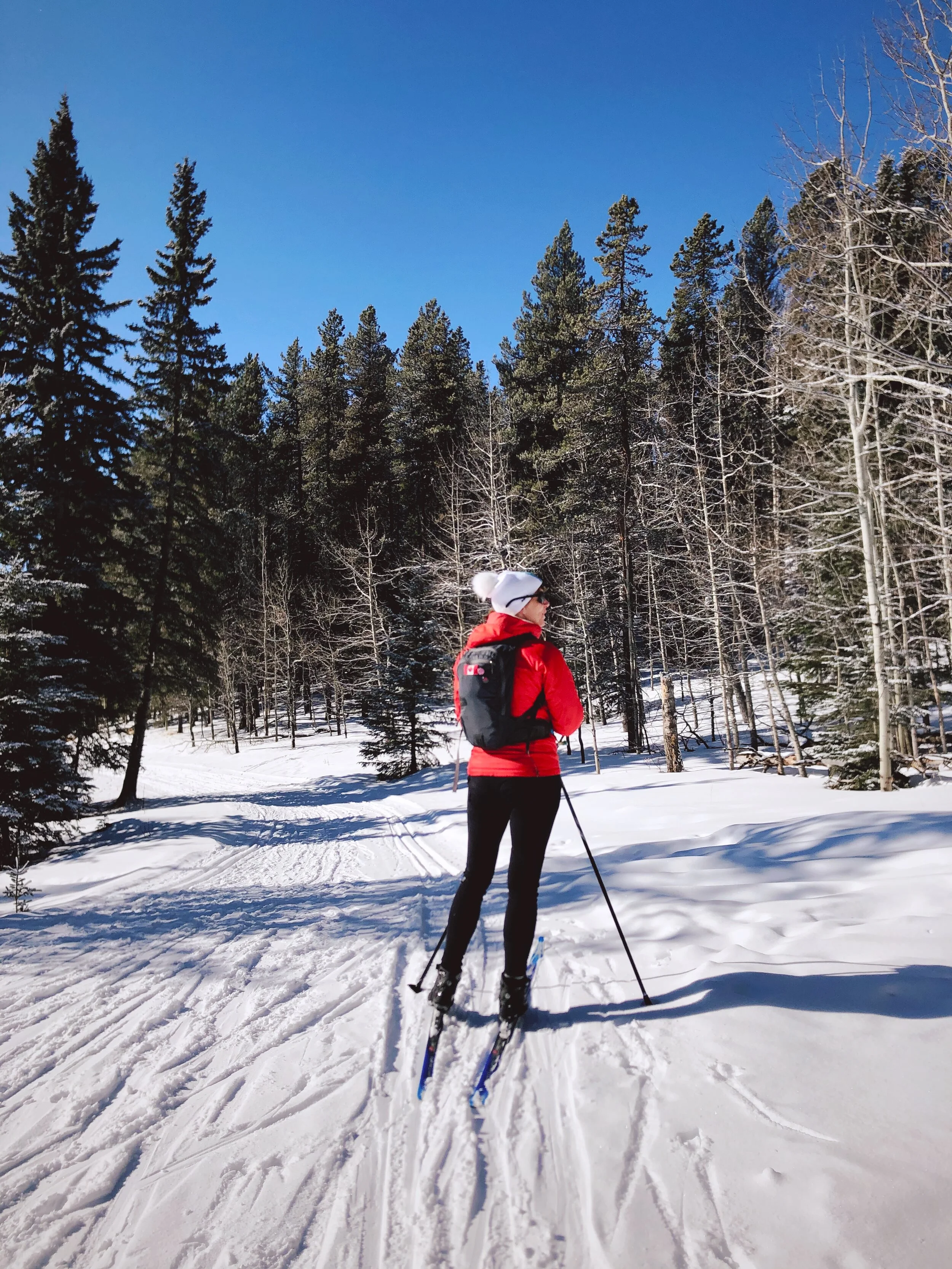
The Birkebeiner is an annual cross-country ski race commemorating the trek taken by two warriors to save the future King of Norway. Today, the Birkebeiner is open to anyone who wants to take on the 55km ski.
The Canadian Birkebeiner went virtual in 2021 thanks to COVID-19. In the spirit of inclusivity, they added shorter distances and more sports to the event; I chose the 31km option. On a very cold Sunday morning in February, I set out to ski my very first mini Birkie.
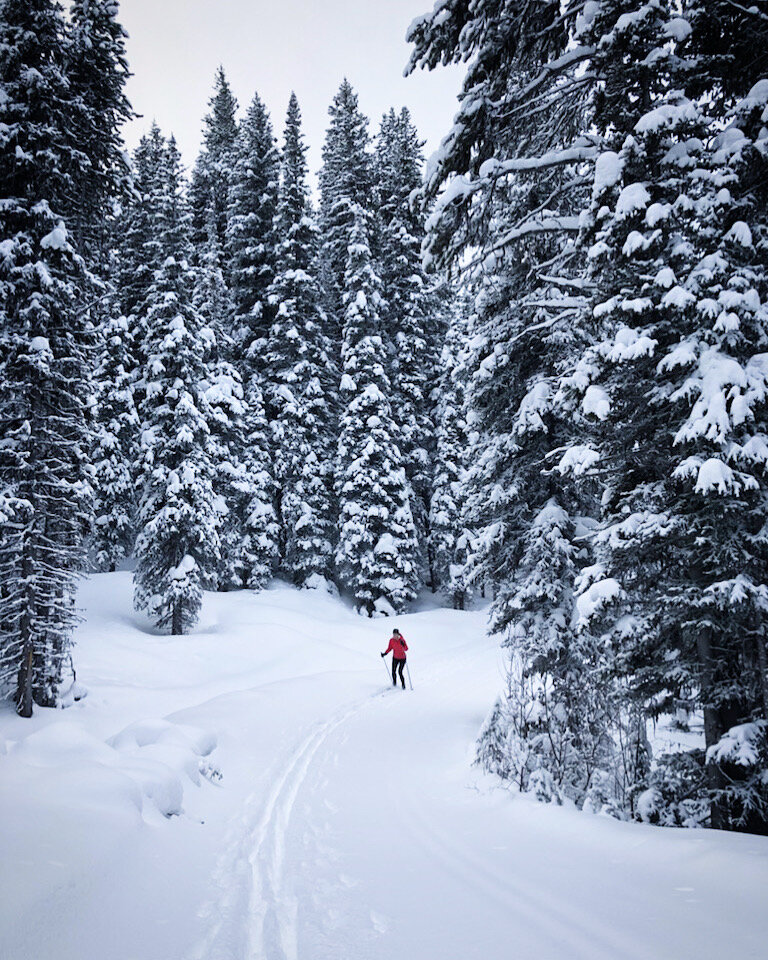
The groomed trail was pristine. The trees were blanketed in fresh snow. The air was cold and thin. Barely 500 m into the ski, my small group of three stopped at the top of a short climb to adjust clothing. It was there that the air took my breath away.
The world started to turn around me. I felt faint. I recognized the signs and said so out loud. I knelt down to let the feeling pass, but the feeling did not pass. The air felt like I imagine it would on a climb up Everest. In pure mountaineering style, I told my fellow skiers to go on without me. There was no choice but to turn around and call it a day. My Birkie was over before it began.
Life moves fast when you're not
Except I couldn’t turn around. I couldn’t turn around because I couldn’t stand. Every time I stood the world would spin. Thankfully, my friends insisted on getting me back to my car before going on. That was a faithful decision, one that could well have saved my life.
At -25 C, the body cools remarkably quickly when standing still. The stages of hypothermia come with their own set of symptoms. I watched as they came on in me. Unable to ski under my own manpower, I was quickly in trouble. My core body temperature began to drop.
“Birkebeiner has come to mean a person strong in adversity, never daunted by trial and hardships.”